

How to Launch Your First E-Commerce Business and Start Selling Online
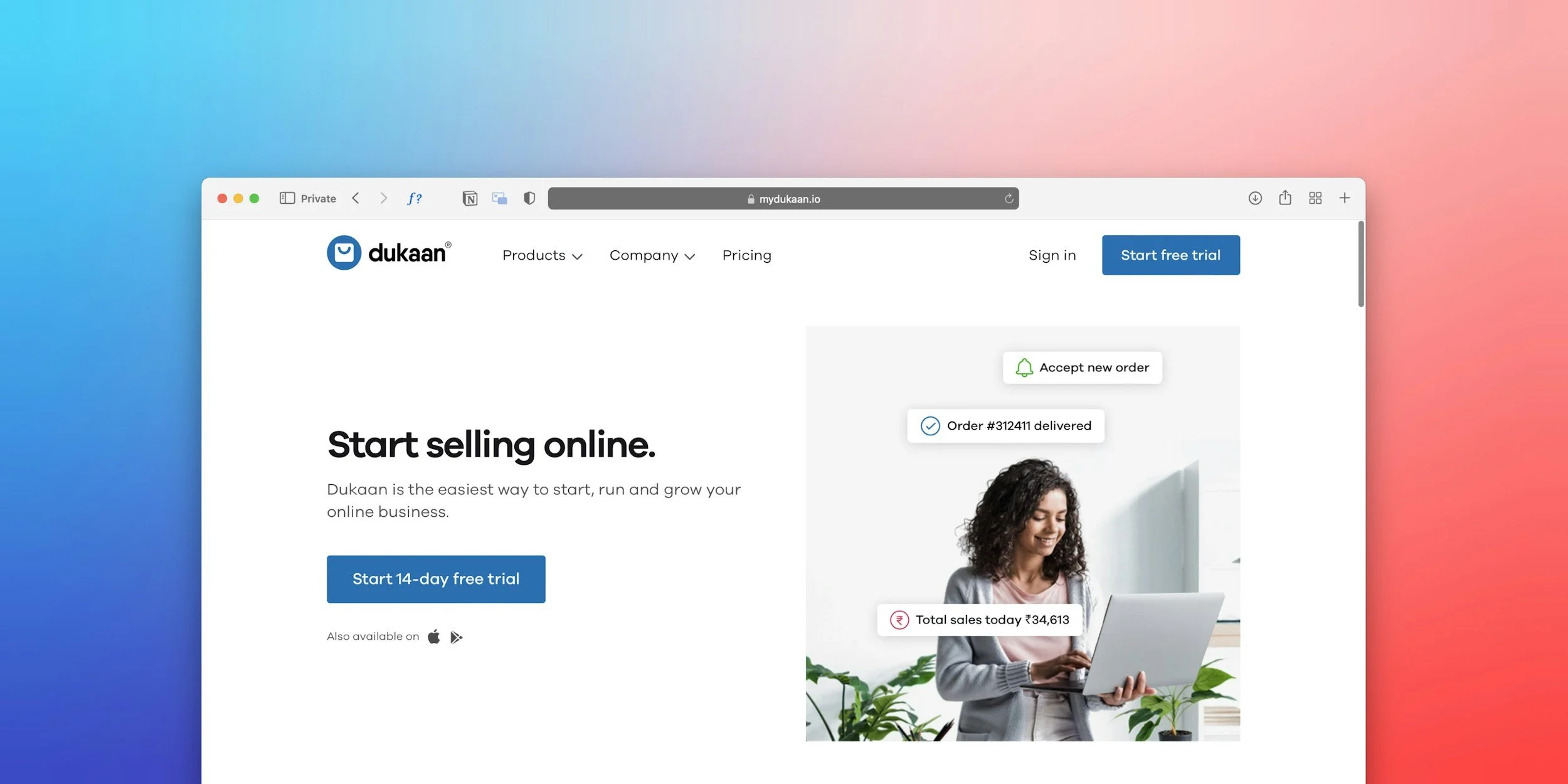
For young entrepreneurs, a first e-commerce business can turn a simple digital storefront idea into a real business opportunity without needing a physical location. The hard part is that most online retail startup dreams stall at the same friction points: choosing what to sell, setting prices with confidence, earning trust from strangers, and staying consistent when sales start slow. Add common e-commerce challenges like unclear costs, messy logistics, and decision overload, and momentum can disappear fast. A practical plan replaces guesswork with clarity and gives a store a chance to earn its first sales.
Start Small: Launch an Online Reselling Store With Low Costs
Once you’ve mapped your store idea into a workable plan, a low-cost way to start learning the ropes is to sell on an established marketplace rather than building everything from scratch. An eBay reselling business can be an affordable first e-commerce venture because you can start with relatively low upfront costs, generate revenue as you go, and build real experience running an online store, product selection, pricing, listing, and fulfillment, without a big initial investment. Many successful sellers keep it even simpler by focusing on a specific niche. Specializing helps you build expertise faster, understand what “good” pricing looks like, face less direct competition, and attract repeat customers who come back for that type of inventory.
To make smart buying decisions, lean on the data eBay already provides: researching sell-through rates and checking completed listings can show you what actually sells (and at what prices), so you’re not guessing when you source items. If you want more information on setting up an eBay reselling business, including inventory sourcing and early platform basics, use that as your next step. From there, you can apply the same disciplined approach as you work through the 7 core steps to build your first e-commerce engine.
Build Your First Online Store Step by Step
These seven steps help you move from a “good idea” to a real store that attracts buyers, converts sales, and keeps customers coming back. If you are new to e-commerce, a clear sequence prevents expensive detours and makes your progress measurable.
Choose a niche you can learn fastStart with a narrow product category where you can quickly recognize quality, typical pricing, and common customer questions. Write a simple niche statement like “I sell X for Y type of customer” so your sourcing, listings, and marketing stay focused.
Validate demand with quick market researchCheck what people already buy by reviewing marketplace best sellers, reading customer reviews for recurring complaints, and comparing price ranges across multiple sites. Treat this as a mini proof test: you are looking for consistent demand, room to differentiate, and healthy margins, not just trends.
Pick a platform that matches your resourcesChoose a marketplace if you want speed and built-in traffic, or a hosted e-commerce platform if you want more control over branding and customer data. Use the scale of the opportunity as motivation, since e-commerce sales reached $326.7 billion in the first quarter of 2026, but keep your choice simple enough that you can launch within weeks, not months.
Design a store experience that makes buying easyCreate clean product pages with clear titles, 3 to 6 photos, straightforward pricing, and a short description that answers “What is it, who is it for, and what do I get?” Add trust basics such as shipping costs upfront, easy returns, and a visible contact method so first-time visitors feel safe checking out.
Launch your marketing and service routineStart with two channels you can sustain, such as short-form social posts plus email, and track one primary goal like “add to cart” or “purchase” to see what actually works. Commit to fast responses, proactive order updates, and a simple fix process for problems, because good service turns one-time buyers into repeat customers.
Build a Creative Team: What to Know About Video Production Hiring
Once your store is live, the fastest way to make it feel real and trustworthy is how you present it in motion. Hiring a professional video producer for marketing videos can instantly elevate your brand image, sharper visuals, clearer messaging, and a more polished feel across ads, product pages, and social content. When you’re choosing a producer, look for a portfolio that matches your style, strong storytelling, clean audio and lighting, and a process that includes planning and revisions. Make sure they understand your audience and can deliver formats that fit where you’ll post.
First E-Commerce Store FAQs (Beginner Friendly)
Q: How do I make payments feel secure for customers?A: Use a reputable payment processor and enable HTTPS, then display security and refund info clearly at checkout. Turn on fraud tools like AVS, CVV checks, and velocity limits. Start with fewer payment methods, then expand once orders and chargebacks are stable.
Q: What if nobody visits my store after I launch?A: Pick one acquisition channel for 30 days: short-form videos, search content, or a simple referral offer. Drive traffic to a single “hero” product page and measure add-to-carts, not just views. Improve the offer with stronger photos, clearer benefits, and a first-time buyer incentive.
Q: How should I handle shipping and returns without getting overwhelmed?A: Begin with a small, predictable shipping menu, like one standard option and one expedited option. Use tracked shipping on every order and write a plain-language return policy with timelines and condition rules. Pack a simple insert with care instructions and how to get support.
Q: When should I use dropshipping, 3PL fulfillment, or shipping myself?A: Ship yourself when volume is low and you need tight quality control. Consider a 3PL when orders become repetitive and you want faster delivery times. Use dropshipping only with vetted suppliers and sample orders, since reliability is your reputation.
Q: How can I build trust fast as a brand-new seller?A: Treat customer trust like your main product, because it is the foundation of relationships. Add real policies, real contact options, and proof like reviews, user photos, and clear product specs. If something goes wrong, respond quickly and make the fix easy.
Turn Business Planning Into Your First Online Store Sale
Starting an online store can feel like a pile of unknowns, payments, shipping, traffic, and trust, so it’s easy to stall in planning mode. The way through is steady entrepreneurial motivation paired with simple business planning and goal setting for startups: choose one priority, test it, then build from what works. Do that, and confidence building stops being a pep talk and becomes a record of small wins that compound into small business growth. Start small, stay consistent, and let real customer feedback guide the next step. Pick one action today, commit to a launch date, publish your first product page, or set up checkout, and complete it before the week ends. That momentum matters because it builds a more resilient income path you can grow over time.