

How Richmond Businesses Can Plan Successful Events That Boost Leads
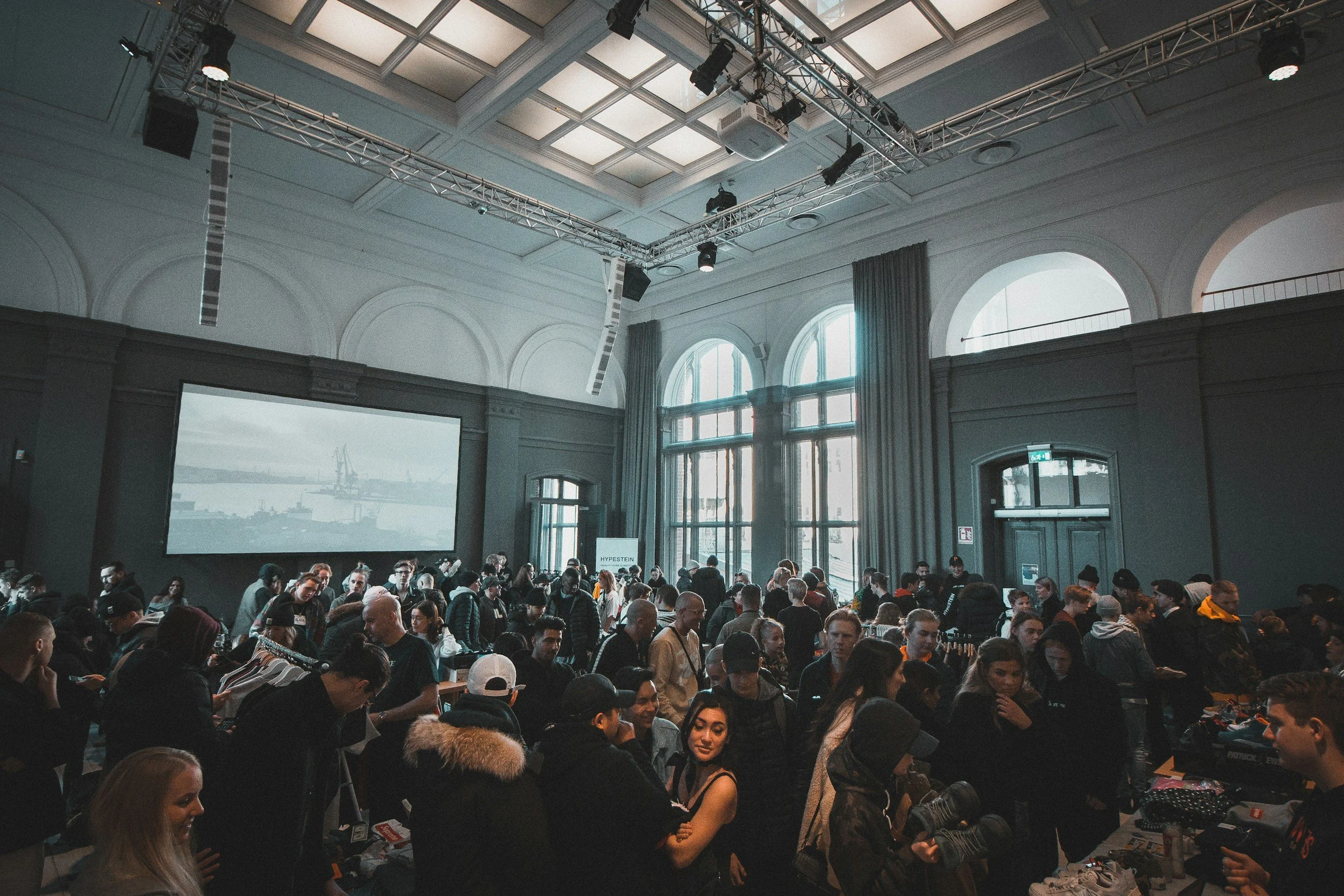
Richmond business owners and marketing teams often invest time and budget into events that feel busy on the day, then go quiet afterward. The core tension is real: corporate event planning challenges pile up fast, and when messaging is fuzzy or follow-up is inconsistent, brand perception in events can slip and business event ROI becomes hard to prove. Strong corporate event attendance strategies help, but attendance alone doesn’t create momentum if the right people don’t connect with the right story. When the plan supports clarity, credibility, and a clean handoff after the event, lead generation through events becomes predictable.
Build a Simple Corporate Event Timeline You Can Follow
Here’s how to move from plan to action.
This timeline helps you go from “we should host an event” to a clear plan you can promote, film, and run without last-minute scrambling. For Richmond business owners focused on video marketing and brand growth, it creates a tight story to capture on camera and an easy follow-up path that turns conversations into leads.
Step 1: Set the goal, audience, and one clear message Start by choosing one outcome such as booked consultations, demos, or partner meetings and name the exact audience you want in the room. Use one sentence to describe the event promise, because that line becomes your invite headline, your emcee script, and your short event video intro.
Step 2: Build a budget that matches the experience List your must-pay items first such as venue, simple A/V, light food, and signage, then add a small buffer for surprises. Tie each line item to a purpose, so spending supports the story you want attendees to remember and the footage you want your team to capture.
Step 3: Choose the venue and lock the date early Shortlist locations based on capacity, parking, sound, and lighting, then confirm what is included so you do not rent the same thing twice. A practical way to stay grounded is to select a location that fits your theme, budget, and needs.
Step 4: Turn the plan into a checklist and a run-of-show Create one event planning checklist that includes deadlines, owners, and status for every task, from registration to signage to post-event email. The habit of keeping an event checklist makes the day easier to manage and reduces preventable mistakes when the room gets busy.
Step 5: Promote simply, then prepare day-of capture and follow-up Pick two channels you can execute consistently, usually email plus social, and schedule messages from save-the-date to last-call. Assign someone to record short testimonials, key moments, and a quick recap, then send a same-week follow-up that includes your offer and a next step. If you want professional-quality footage without adding to your team's plate, Richmond Corporate Video specializes in filming corporate events and can handle everything from live captures to polished recap videos that keep working for your brand long after the event ends.
A clear timeline turns your event into content, connections, and measurable growth you can repeat.
Design One Event Poster You Can Reuse Everywhere
Once your timeline is set, make promotion easier by building one digital event poster you can drop onto your website and post across social channels.
Keep it simple and consistent with your brand: event name, date/time, location, a short “who it’s for” line, and one clear next step (like RSVP or register). Use your logo, brand colors, and readable fonts so every version looks like it came from the same business, whether it’s a feed post or a flyer you print. If you want a fast option, try creating your free printable poster templates with an easy-to-use app that lets you customize designs using templates and intuitive editing tools.
Next, you’ll decide how your venue, food, and entertainment choices support the event you’re promoting.
Choose Venue, Food, and Entertainment With a DIY-or-Pro Plan
A smooth lead-generating event comes down to a few practical choices you can mix and match: where you host, what you serve, what keeps energy up, and how you run the room. Use the tips below to decide what to DIY, what to hire out, and what to document so your day-of execution feels simple.
Pick a venue style that matches your goal (and your “poster promise”): Start with the experience you advertised on your reusable event poster, workshop, demo night, open house, or networking, and choose a venue that supports it. DIY-friendly venue options include your office, a partner’s showroom, or a shared meeting room where you control lighting and audio for short filmed testimonials. Pro-friendly options include hotels or dedicated event spaces that bundle tables, mics, and on-site staff, which reduces your setup time but may limit branding.
Build a catering plan around dietary needs, not just a menu: A reliable default is “grab-and-go” (boxed lunches, bowls, wraps) for fast networking or “stations” (taco bar, pasta bar) for longer mingling. Keep it beginner-simple: request 2–3 entrée choices, label everything, and add one clearly marked vegan and gluten-friendly option. Many planners treat accommodating diverse dietary needs as a core responsibility because it prevents awkward moments and long lines that pull people away from your sales conversations.
Choose entertainment that protects conversation and audio quality: For lead gen, “background energy” often works better than “main-stage spectacle.” DIY options: a timed playlist plus one short, scripted 5-minute brand story and a customer quote you can record cleanly. Pro options: a low-volume live musician, a host/MC to run the schedule, or a photo/video booth, but only if you can place it away from your talking zones so it doesn’t overwhelm the room.
Staff the event with roles, not just bodies: Make a one-page staffing map with 4 jobs: greeter/check-in, floater (introductions), room reset (trash, water, signage), and closer (books meetings). If you’re short-staffed, recruit two internal “connectors” and give them a simple goal like “introduce five pairs of people” and “collect three testimonial volunteers.” If you hire help, prioritize check-in and A/V support first, those two roles prevent most day-of stress.
Create a production timeline you can rehearse in 20 minutes: Write down your run-of-show with timestamps (doors, welcome, content moment, networking cue, last call) and add a “Plan B” for each A/V step. Keep a single bin with power strips, tape, markers, a printed schedule, and copies of your event poster for quick reference. A quick rehearsal with your team, walking the room and practicing the first 60 seconds, catches the small issues that derail confidence.
Make wayfinding and signage a print decision, not an afterthought: Use three sign types: “You’re here” (entrance), “What to do next” (agenda/QR), and “Where to go” (restrooms, demos, exit). For DIY printing, use simple large text and consistent colors that match your poster; mount on foam board or use stands so signs don’t curl. For pro printing, order fewer but sturdier pieces, especially the entrance sign and directional arrows, so guests don’t get stuck asking staff basic questions.
These choices keep your event focused on clear conversations, clean content capture, and an easy guest flow, then you can compare vendor quotes and backup plans with fewer unknowns.
Event Planning Questions Business Owners Ask Most
Quick answers to reduce the last-minute guesswork.
Q: What should my event budget cover so I do not get surprised later?
A: Start by listing fixed costs (space, basic A/V, insurance) and variable costs (food per guest, extra chairs). Make a simple “must-have vs nice-to-have” list before you request any quotes. Hold back 10 to 15 percent as a buffer for overtime, extra meals, or rentals.
Q: How do I choose vendors if I have never run a business event before?
A: Ask each vendor for three things: a clear scope, a day-of point of contact, and their cancellation terms in writing. Prioritize vendors who can show real examples of similar-sized events and who answer questions quickly. If video content matters, confirm load-in time, mic options, and how they handle noisy rooms.
Q: How can I manage attendance so my team is not overwhelmed at check-in?
A: Use pre-registration with a single RSVP deadline, then send a reminder 48 hours before with parking and arrival timing. Plan staffing for your peak arrival window, not the average, and set up two lines: pre-registered and walk-ins. If you expect walk-ins, cap them by time block or require a quick QR form.
Q: When should I lock the run-of-show and stop changing things?
A: Freeze the schedule 5 to 7 days out so vendors and staff can commit. Most issues come from timeline drift, and 70 percent of event failures trace back to poor risk management and missed timelines. After you lock it, only change safety, staffing, or critical A/V items.
Q: What is a realistic contingency plan for a small lead-gen event?
A: Keep it simple: backup audio, backup internet or hotspot, and a printed contact sheet for every vendor and staff lead. Build a short “if X happens, we do Y” list and create an event contingency plan before you confirm the final headcount. Then do a 10-minute pre-event huddle to assign who makes calls when something shifts.
A calm plan creates better conversations, cleaner content, and stronger follow-up leads.
Turn Richmond Business Events Into Reliable Lead-Generating Moments
Planning a business event can feel like a lot to juggle, budget, vendors, attendance, and backup plans, without knowing what will actually drive leads. The steadier path is a simple, repeatable approach: define the outcome, build a plan around the attendee experience, and make decisions early enough to avoid last-minute stress, using these Richmond business event tips as your baseline. That business event success summary should look like this: clearer choices, smoother corporate event execution, and follow-up that feels natural instead of forced. A focused plan beats a flashy idea every time. Choose one event planning next steps task today, confirm your goal, date, and budget, and commit to it in writing. That kind of momentum creates stronger relationships and more predictable growth for Richmond businesses.